A pediatric dentist’s guide to what these programs offer, who qualifies, and what to do after a screening.
School dental programs bring screenings, cleanings, fluoride, and sealants to children where they already spend their day. Knowing what they cover helps you follow up the right way at home and at your child’s dentist.
School dental health programs in Sammamish, WA help students keep their teeth healthy through simple lessons, checkups, cleanings, fluoride varnish, and sealants delivered at school. They make early care easier to reach, especially for families with low incomes or Medicaid. Screenings are brief exams that flag concerns early, so if one finds a problem, the next step is a visit with a pediatric dentist.
At Lake Sammamish Kids Dentistry in Sammamish, WA, Dr. Annikka Freelove and the team provide follow-up care for children whose school screening shows they need more, including cleanings, exams, fluoride treatments, and sealants.
School programs in Sammamish work with local pediatric dentists and public health teams, and they include referrals when a child needs extra help.
This guide covers what school dental programs offer, how sealants and fluoride work, who qualifies, and what to do after a screening.

Overview of Sammamish School Dental Programs
The Sammamish School District includes dental health care as part of its wellness programs to support student health. Schools work with local pediatric dentists and public health teams, which lets them offer simple dental care right on campus. They also share easy health tips so families can support their children’s overall wellness, and they teach families about routine care and prevention through clear, practical advice.
Key features of local school dental programs include:
- Collaboration: Local pediatric dentists and schools team up to give kids professional care, and they provide referrals when a child needs extra help.
- Wellness program integration: Dental services are part of larger school wellness programs that help improve kids’ overall health.
- High student participation: Because of strong outreach and parent support, many families join in, which helps build a strong sense of community care.
According to Dr. Mark Komforti, a board-certified orthodontist at Happy Smiles Orthodontics in St. Augustine, FL, school-based dental programs make dental care more accessible, which helps prevent problems like cavities from affecting kids’ learning.
Preventive Services Offered
Preventive care is a top priority in Sammamish school dental programs. These basic dental hygiene services help stop tooth decay before it starts by finding problems early and giving steady, regular care. Key preventive services include:
- Dental screenings: Brief examinations identify cavities, misalignment, or gum problems early.
- Cleanings: Professional cleanings remove plaque to maintain healthy teeth and gums.
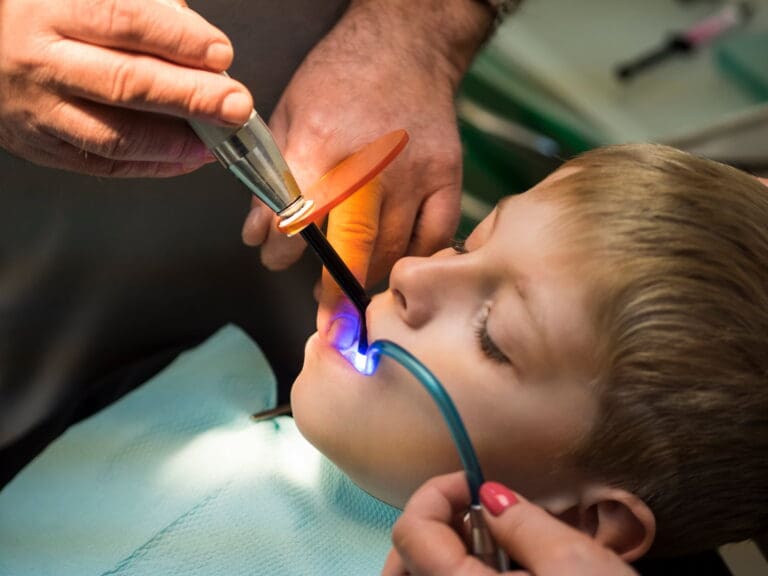
- Fluoride treatments: Fluoride varnish is applied to strengthen enamel and protect against decay.
- Dental sealants: Protective coatings are added to molars to block cavity-causing bacteria.
These services are provided during the school year, which makes it easier for kids to get care without missing class.
The Role of Sealants in Preventing Cavities
Dental sealants are a highlight of school dental initiatives in Sammamish. These thin, protective coatings are applied to the chewing surfaces of molars, where kids are most likely to develop cavities.
Why Children Need Sealants
Sealants reduce cavities in molars by up to 80%. Younger children’s teeth are more at risk, so sealant programs mainly focus on elementary school students. Applying sealants early can prevent the need for more invasive and costly treatments later.
Program Details
Sealant clinics are free or cost less for families with low incomes or those eligible for Medicaid. The application process is quick and safe, and children return to class right after treatment. These clinics are held throughout the year at participating elementary schools and preschools.
School Dental Program Services at a Glance
| Service | What It Does | How It Works at School |
| Dental screening | Brief exam to spot cavities, misalignment, or gum problems early | Provided during the school year |
| Cleaning | Removes plaque to keep teeth and gums healthy | Provided during the school year |
| Fluoride varnish | Strengthens enamel and protects against decay | Applied once or twice a year, depending on diet, family dental history, and access to fluoridated water |
| Sealants | Coat the chewing surfaces of molars to block cavity-causing bacteria | Clinics held throughout the year at participating elementary schools and preschools, mainly for elementary students |
| Education | Teaches brushing, flossing, and healthy food and drink choices | Interactive lessons and family workshops |
Fluoride Treatments for Stronger Teeth
Fluoride is an essential defense against tooth decay, and Sammamish schools provide regular fluoride treatments to support children’s oral health.
- Fluoride varnish: A thin layer is painted onto the teeth to protect the enamel and prevent decay.
- Frequency: Students get these treatments once or twice a year. The schedule depends on factors like diet, family dental history, and whether they have access to fluoridated water.
Schools also share educational materials with families. These teach parents how fluoride helps stop cavities and offer tips on choosing fluoride toothpaste and other at-home care.
Fun and Interactive Dental Health Education
Teaching kids how to care for their teeth is a crucial part of school dental programs. Lessons are fun, hands-on, and age-appropriate to keep young children engaged, and schools give families helpful care tips that make good oral hygiene easier at home.
Brushing and Flossing
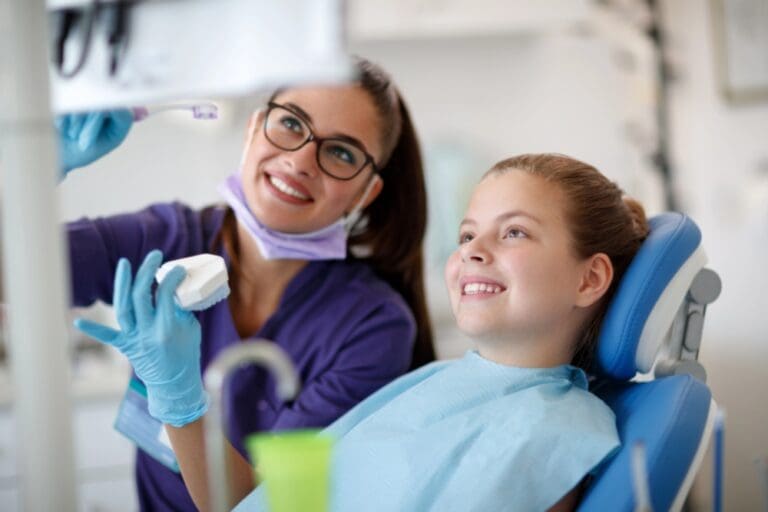
Interactive lessons show proper techniques for cleaning teeth and gums. Students learn how to brush with fluoride toothpaste and floss daily to prevent cavities and tooth decay, and teachers and program staff offer guidance on keeping up a strong routine at school and at home.
Healthy Food and Drink Choices
Schools teach children how snacks like fruit and water support oral health compared to sugary sodas or candies. Students also learn how diet affects gum health, plaque buildup, and enamel protection, and programs often give families easy tips for healthier meals and snacks.
Family-Friendly Workshops
Schools host workshops where parents and caregivers learn dental tips alongside students. Sessions cover brushing, flossing, fluoride use, and preventive care like sealants or fluoride gel. Families also get information about school sealant programs, Medicaid, and community resources so every child can get dental care.
These lessons help children build lasting habits and the confidence to care for their teeth every day.
When a School Program Isn’t Enough
School programs are built for prevention and early detection. Screenings are brief exams, so a child who needs more care should see a pediatric dentist or a clinic recommended by the school. For complex cases, schools work with local dentists to refer children to specialist care.
Many clinics offer sliding-scale fees, Medicaid, or low-cost care to make treatment easier to get, and schools help families who have no insurance or limited insurance by connecting them to local clinics.
What a School Screening Can (and Can’t) Tell You
A school screening can catch problems like cavities or gum infections before they become painful, which helps children avoid missing class because of dental problems. It can also flag misalignment early.
What a brief screening can’t do is take the place of a full dental exam or treat a problem it finds. It points to a concern, and a pediatric dentist confirms it and provides the care.
If your child’s screening flagged something, or you’d like a full exam, Schedule your appointment to get trusted pediatric dental care right here in Sammamish.
What Follow-Up Care Looks Like at Lake Sammamish Kids Dentistry
If your child needs follow-up care after a school dental screening, Lake Sammamish Kids Dentistry is here to help. The gentle team makes visits easy and stress-free for kids of all ages. Preventive pediatric dental care at the practice includes:
- Cleanings
- Exams
- Fluoride treatments
- Sealants
The goal is to keep your child’s teeth strong and cavity-free.
Access and Eligibility for Services
Ensuring all children can receive dental care is a primary goal of Sammamish school dental programs. Schools have systems to make dental services easy to access for families, no matter their income or insurance.
How to qualify:
- Income-based access: Families with low income or those on Medicaid can get free or low-cost dental care.
- Permission slips: Parents must sign a permission slip to allow their child to take part in these programs.
- Help for the uninsured: Schools help families with no insurance or limited insurance by connecting them to local clinics.
These efforts help make sure no child is left behind when it comes to getting the dental care they need.
The Power of Community Partnerships
Working with community groups is key to successful school dental programs in Sammamish. Dentists and public health teams help schools give good, affordable care to the kids who need it most.
- Local dentists: Pediatric dentists volunteer or offer lower-cost services to support these programs.
- Public health teams: They manage funding, plan clinics, and hand out educational materials.
- Referrals: For complex cases, schools work with local dentists to refer children to specialist care.
These partnerships link students, families, and the community, and they build support for better health and wellness.
FAQs: School Dental Health Programs in Sammamish
How do school dental health programs help reduce student absences?
School dental programs help catch problems like cavities or gum infections before they become painful. Early care helps children avoid missing class because of dental problems, which supports better attendance and learning.
What should parents do if a school screening shows their child needs additional dental care?
If a screening shows a child needs more care, parents should set up a visit with a local pediatric dentist or a clinic recommended by the school. Many clinics offer sliding-scale fees, Medicaid, or low-cost care to make treatment easier to get.
Can dental education programs in schools improve children’s habits at home?
Yes. Children often take home what they learn at school. They practice proper brushing and make healthier snack choices, and these lessons can motivate the whole family to improve their oral health routines.
Do I need to give permission for my child to take part?
Yes. Parents must sign a permission slip to allow their child to take part in school dental programs.
Are school sealants and other services free?
Sealant clinics are free or cost less for families with low incomes or those eligible for Medicaid. Access is income-based, and schools help families with no insurance or limited insurance by connecting them to local clinics.
Sources. Information on school dental health programs, preventive services, and access in Sammamish, WA is drawn from Lake Sammamish Kids Dentistry’s published guidance on school dental health programs. Commentary on access to care is from Dr. Mark Komforti of Happy Smiles Orthodontics in St. Augustine, FL.

Related Reading
- When Should Your Child See a Dentist in Sammamish, WA?
- The Fluoride Debate: A Pediatric Dentist’s Take
Need Follow-Up Dental Care After a School Screening?
Lake Sammamish Kids Dentistry offers cleanings, exams, fluoride treatments, and sealants, and a consultation covers your child’s current needs and next steps.
Schedule Your Free Pediatric Consultation
Free consultation for new pediatric patients in Sammamish, WA.