Are you worried about baby bottle tooth decay in Sammamish, WA? This guide will show you simple ways to keep your child’s teeth healthy. Learn how sugars in milk, formula, and juice can cause cavities. Find out what habits really work. Keep reading to protect your baby’s smile from the start.
What Is Baby Bottle Tooth Decay?
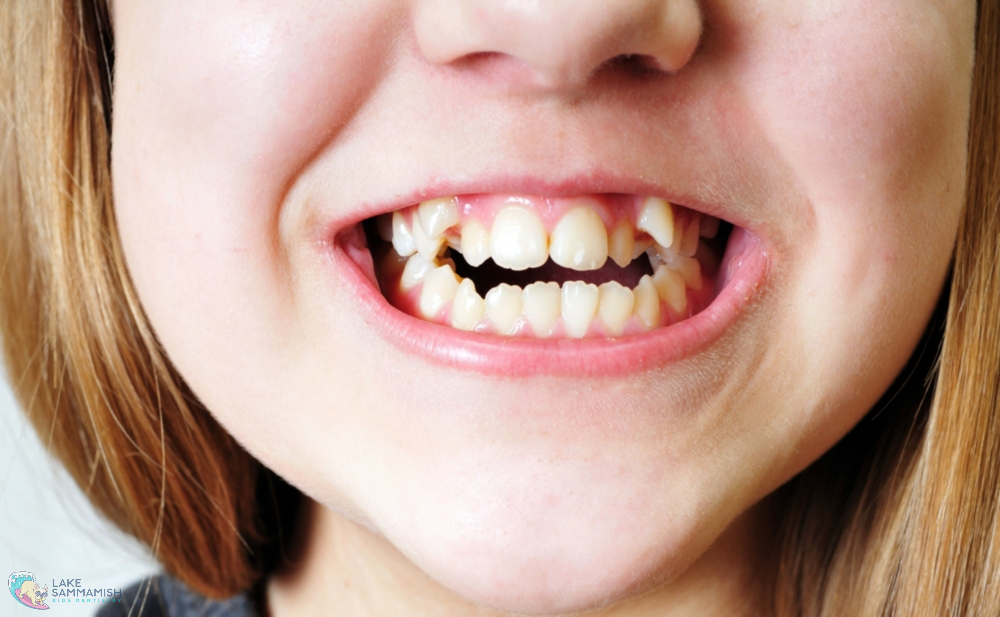
Baby bottle tooth decay is also called early childhood caries, bottle decay, nursing decay, infant caries, or bottle rot. It happens when cavities form in a child’s teeth. The main cause is frequent contact with sweet drinks. These include breast milk, baby formula, fruit juice, and other drinks with sugar.
When babies drink from bottles or sippy cups, bacteria in the mouth mix with sugars. This creates acids. These acids attack the enamel, which is the hard outer shell of baby teeth. Over time, this causes soft spots, cavities, and even broken teeth. According to Dr. Shalise Holt, a popular orthodontist in Twinsburg, OH, when baby teeth are damaged or lost too early, it can affect how adult teeth grow in later.
What Causes Baby Bottle Decay?
Tooth decay prevention starts with knowing the risk factors. Here are the main causes of baby bottle tooth decay:
Bedtime bottles
If your baby falls asleep with a bottle filled with milk, juice, or formula, tooth decay can start. The liquid sits on the teeth all night. This feeds bacteria and creates acids.
Sugary drinks
Juice, flavored milk, and sweet drinks feed harmful bacteria in the mouth. This raises sugar intake and the chance of decay. Even drinks labeled as “natural” or “healthy” can contain high amounts of sugar. Frequent sipping throughout the day keeps teeth constantly exposed to acid attacks.
No cleaning after feeds
Without brushing or gum cleaning, bacteria and sugars stay in the mouth. This leads to more acid production and plaque buildup. Plaque can harden and make it even easier for cavities to form. Cleaning your baby’s mouth early helps build healthy habits for life.
Frequent snacks
Lots of sweet snacks between meals raise the risk for cavities and childhood caries. Sticky foods are especially harmful because they cling to teeth longer. Giving teeth time to rest between meals helps saliva neutralize acids and protect enamel.
Poor oral hygiene
Skipping brushing and flossing means more bacteria on the enamel. Bad feeding habits and weak dental hygiene practices cause baby bottle decay to start early. Good prevention means changing these habits right away.
Signs and Symptoms of Baby Bottle Tooth Decay
Watch for these early signs of tooth decay in your child:
- White spots or lines along the gum line. These are early warnings of decay.
- Yellow or brown stains on the front teeth or near the gums.
- Small holes, pits, or chips in baby teeth.
- Crying or fussing during feeding. This may mean tooth pain.
- Pulling away from the bottle or breast.
- Sensitivity when eating or brushing.
- Fussiness or trouble sleeping.
If you see any of these symptoms, call your dentist in Sammamish, WA right away. Fast care can stop decay from getting worse. Early treatment options are easier and less costly.
How to Prevent Baby Bottle Tooth Decay
Preventing baby bottle tooth decay is easy once you know the right steps. Here are the best tips and strategies for cavity prevention:
1. Better Feeding Practices
Good feeding practices are key to prevention. Never put your baby to bed with a bottle or sippy cup filled with milk, breast milk, formula, or juice. If your child needs comfort at bedtime, use only plain water in the bottle.
Do not dip pacifiers in honey, sugar, or sweet liquids. These habits raise sugar intake and feed bacteria. Limit juice intake to meal times only. Offer water between meals instead.
2. Clean Your Baby’s Mouth Every Day
Daily oral hygiene is important even before teeth show up. Cleaning your baby’s gums after each feeding removes sugars and bacteria. Use a soft, damp cloth to gently wipe the gums. This simple care routine helps stop plaque and decay.
When the first tooth comes in, start brushing with a baby toothbrush. Use a tiny smear of fluoride toothpaste, about the size of a grain of rice. Brush all baby teeth twice a day using soft, gentle circles. After age two, start flossing once teeth touch. Flossing removes plaque and food bits that a brush can’t reach. This dental hygiene habit helps stop cavities between teeth.
3. Move From Bottles to Cups Early
Helping your child stop using bottles lowers the risk of baby bottle decay. Start introducing a sippy cup between 6 and 12 months of age. Move to an open cup by 12 to 18 months.
Offer only water in sippy cups between meals. Avoid fruit juice or sweet drinks in cups used for comfort or during the day. The less time sugars sit on teeth, the lower the chance of tooth decay. Changing bottle use early is one of the smartest strategies for prevention.
4. Choose Healthy Foods and Drinks
A good diet plays a big role in protecting baby teeth. Your child’s eating habits matter. This is what you can do:
- Offer healthy snacks like cheese, yogurt, and fresh fruit instead of cookies, candy, or gummy snacks.
- Limit sweet drinks. Choose tap water when you can, especially if it has fluoride. Fluoride helps make enamel stronger and guards against decay.
- Serve breast milk or baby formula during meals and snacks, not for comfort all day or at bedtime. Smart food choices help with cavity prevention and support your child’s overall health.
- Teach good eating habits early. This education sets the stage for a lifetime of healthy teeth.
When Should Your Child See a Dentist in Sammamish, WA?
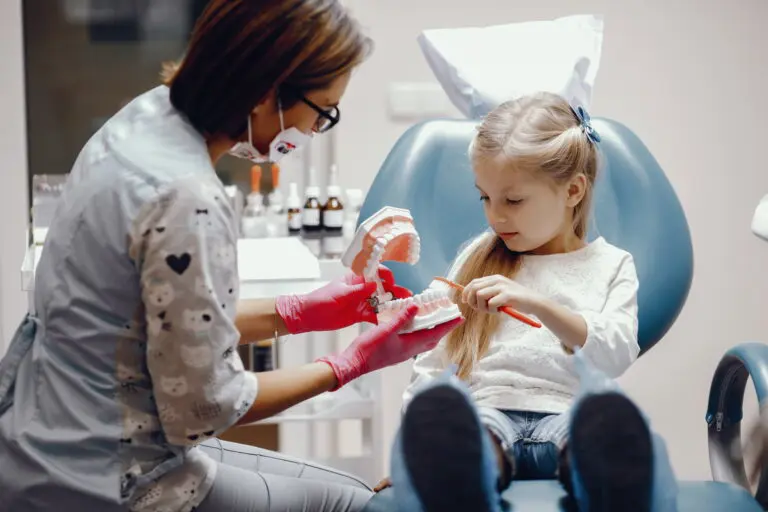
The American Academy of Pediatric Dentistry says to schedule your child’s first dental visit when their first baby tooth appears or by their first birthday. Early visits give parents, babies, and toddlers important prevention tips and hands-on help.
At Lake Sammamish Pediatric Dentistry in Sammamish, WA, your dentist will:
- Show you how to clean baby teeth the right way.
- Teach you the best care routine for gums.
- Help you pick the right baby toothbrush and fluoride toothpaste.
- Check for early signs of childhood caries or infant caries.
- Catch any problems fast with a gentle exam.
Regular dental visits build strong oral hygiene habits for life. Early dental hygiene care means fewer cavities and a healthier smile. These visits also give you education and support as a parent.
Treatment Options If Baby Bottle Decay Happens
Even with the best practices and prevention, decay can still happen. If your child develops baby bottle tooth decay, fast action is key. Early treatment options are easier, less painful, and cost less.
Fluoride Varnish
For mild decay, your dentist may paint fluoride varnish on problem spots. This helps stop decay and repair damage to the enamel. It is a quick, painless treatment.
Fillings and Crowns
Small cavities can be fixed with tiny tooth fillings. If decay is more serious, stainless steel crowns may be needed. These crowns save and protect baby teeth so they can do their job until adult teeth are ready.
Advanced Care
If tooth decay is more advanced, your child may need extra visits or even dental surgery. This is rare if you catch symptoms early and get help fast.
Early treatment means less pain, fewer visits, and lower costs. Don’t wait if you see signs of decay or bottle rot. Call Lake Sammamish Pediatric Dentistry in Sammamish, WA right away.
Daily Oral Hygiene Routine for Babies and Toddlers
Building a strong oral hygiene routine is one of the best prevention tips you can follow. Here’s a simple daily care routine to protect your child’s teeth:
Morning and Night
- Wipe gums with a soft cloth after feedings (before teeth appear).
- Brush teeth twice a day with a baby toothbrush and fluoride toothpaste.
- Use gentle circles and cover all tooth surfaces.
After Meals
- Offer water to rinse the mouth.
- Wipe gums or brush teeth if sugars or sticky foods were eaten.
Before Bed
- Brush teeth after the last feeding.
- Never let your child fall asleep with a bottle unless it has plain water.
- Avoid bedtime bottles with milk, formula, or juice.
Daily Flossing
- Start flossing when two teeth touch.
- Floss gently between teeth once a day.
This simple routine stops plaque, bacteria, and decay from building up. It protects enamel and supports healthy mouth growth.
Prevention Tips and Strategies for Parents
Here are more tips and strategies to help you protect your child from baby bottle tooth decay, nursing decay, and childhood caries:
- Limit sugar intake in snacks and drinks.
- Offer water throughout the day to rinse away sugars and acids.
- Avoid sharing spoons or cups with your baby. This can spread bacteria.
- Clean pacifiers and bottle nipples often.
- Teach older toddlers to sip, not suck, from cups.
- Schedule regular dental check-ups starting at age one.
- Ask your dentist about fluoride treatments if your water does not have fluoride.
These dental hygiene practices and prevention habits make a big difference in your child’s oral health.
Why Prevention Matters
Tooth decay prevention is not just about cavities. Healthy baby teeth support:
- Proper chewing and digestion
- Clear speech and language skills
- Space for adult teeth to grow straight
- Confidence and comfort for your child
Poor dental hygiene and bad feeding habits can lead to pain, infection, and costly treatments. But with the right practices, education, and care routine, you can protect your child’s smile from the start.
Protect Your Child’s Smile with Early Dental Care
Baby bottle tooth decay is easy to prevent. The sooner you start, the better. At Lake Sammamish Pediatric Dentistry in Sammamish, WA, our caring team is here to guide you. We offer personalized tips, gentle exams, and prevention care designed for infants and toddlers.
If you have questions, notice early signs of decay, or want peace of mind about your child’s oral health, we’re ready to help. Schedule your child’s dental visit today. Take a confident step toward a healthy, happy smile that lasts a lifetime.
About the Authors
Dr. Annika Freelove – Pediatric Dentist in Sammamish, WA
Dr. Shalise Holt – Orthodontist in Twinsburg, OH
Frequently Asked Questions
Can breastfed babies develop tooth decay?
Yes. Breast milk contains natural sugars, and frequent nighttime feedings without cleaning the gums or teeth can increase the risk of tooth decay. This risk is similar to formula or juice when sugars remain on the teeth. Gently cleaning your baby’s mouth after feedings helps reduce this risk, and good oral hygiene is important for all infants, including those who are breastfed.
Should I clean my baby’s gums before teeth appear?
Yes. Wiping your baby’s gums after feedings is an important preventive step, even before teeth erupt. This habit removes leftover sugars and bacteria, supports healthy oral development, and makes the transition to brushing easier once teeth come in. Early dental hygiene plays a key role in protecting your child’s smile.
What drinks are safe for babies at bedtime?
Plain water is the safest option for bedtime bottles or sippy cups. Water helps rinse away sugars and acids and protects teeth from decay during sleep. Avoid putting milk, formula, or juice in bedtime bottles, as these can increase the risk of cavities. This simple habit is one of the most effective ways to prevent early tooth decay.